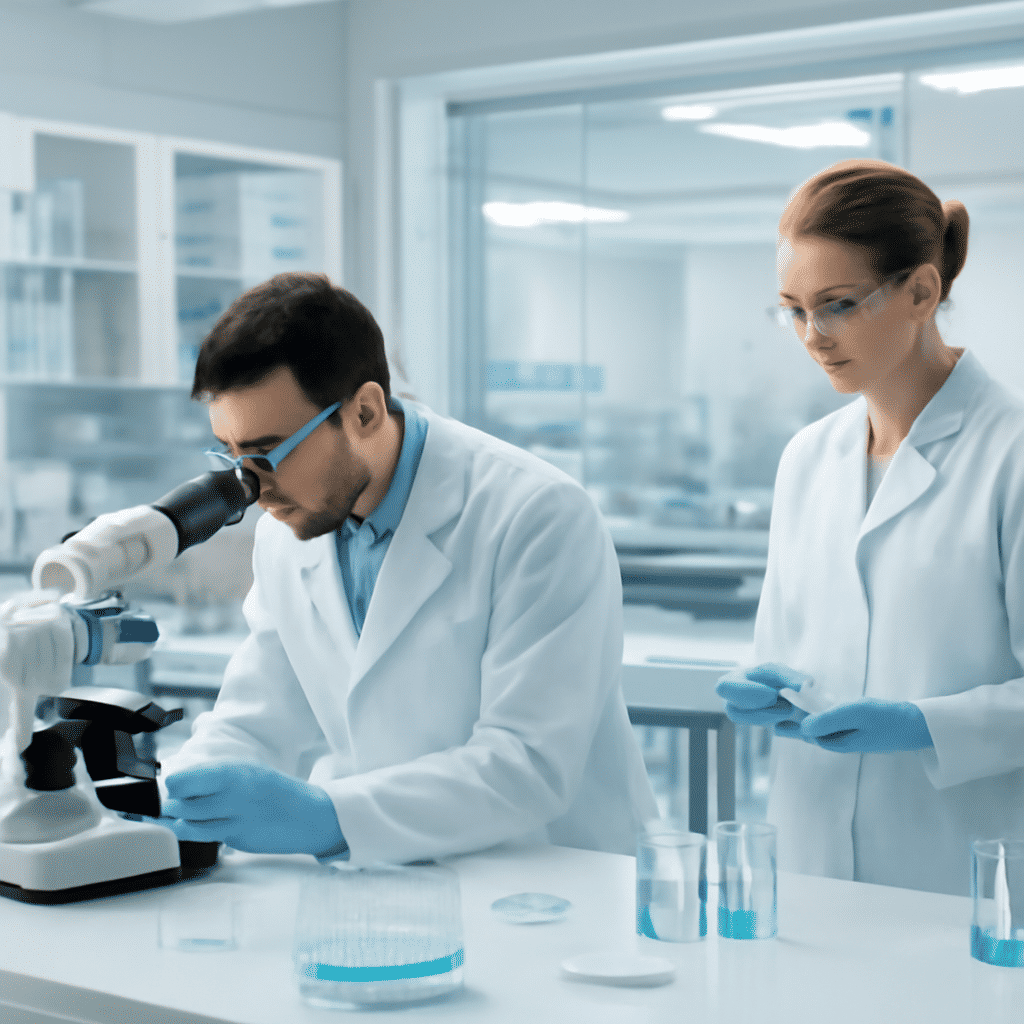
In recent years, the convergence of biology and technology has heralded transformative changes in the field of healthcare, offering promising solutions for better health outcomes. At this intersection, biotechnology breakthroughs are enabling innovations that were once considered the realm of science fiction. These developments span the spectrum from cutting-edge gene editing techniques to advanced diagnostic tools powered by artificial intelligence (AI), each contributing uniquely to the improvement of patient care and disease management.
One of the most notable advancements in biotechnology is the advent of CRISPR-Cas9 gene editing technology. This tool allows scientists to precisely alter DNA sequences, offering the potential to correct genetic defects and combat genetic disorders. CRISPR-Cas9 has already shown promise in addressing conditions such as sickle cell anemia and cystic fibrosis. As researchers refine this technology, there is hope for its application in a wider array of genetic diseases, potentially providing cures where none existed before.
Another area ripe with innovation is the development of personalized medicine, which tailors medical treatment to the individual characteristics of each patient. Advances in genomics, including the decreasing costs of sequencing the human genome, have accelerated this field. By understanding a person’s genetic makeup, healthcare providers can predict how they will respond to certain drugs and devise customized treatment plans. This shift from a one-size-fits-all approach to a more individualized strategy is poised to enhance the effectiveness of therapies and reduce adverse drug reactions.
Nanotechnology also plays a pivotal role in the intersection of biology and technology, particularly in the realm of drug delivery. Nanoscale materials can be engineered to deliver medications directly to targeted cells, minimizing side effects and increasing drug efficacy. Cancer treatment, in particular, has benefited from this innovation, as nanoparticles can be designed to carry chemotherapy drugs directly to tumor cells, sparing healthy tissue and reducing the toxic effects commonly associated with cancer treatments.
Diagnostic innovations are another frontier in biotechnology. Machine learning algorithms, a subset of AI, are increasingly used to analyze complex biological data and aid in disease diagnosis. AI-powered imaging tools can detect conditions such as cancerous tumors and retinal diseases at much earlier stages than traditional methods. These tools not only improve diagnostic accuracy but also expedite the decision-making process, allowing for timely interventions that can significantly alter the course of diseases.
Moreover, biotechnology is making strides in addressing one of humanity’s longstanding challenges: infectious diseases. With the rapid development of vaccines, facilitated by advanced biotechnological methods, the global fight against pandemics like COVID-19 has seen unprecedented speed and collaboration. mRNA vaccine technology, which was brought into the spotlight during the COVID-19 pandemic, exemplifies how biotechnology can be harnessed to mount a swift and effective response to emerging health threats.
The integration of wearable technology and biosensors in health monitoring is also enhancing patient engagement and disease management. Devices that track vital signs in real-time provide individuals with actionable insights into their health, allowing for proactive management of conditions such as diabetes and heart disease. This seamless integration of technology into daily life empowers patients and fosters greater adherence to treatment regimens.
These biotechnology breakthroughs highlight the profound impact of merging technology with biological sciences. As research continues to unfold, the possibilities for improving human health seem boundless. However, while enthusiasm for these advances grows, it is crucial to approach these innovations with an ethical framework, addressing concerns about data privacy, equitable access, and potential societal implications.
In conclusion, the marriage of biology and technology is ushering in a new era of healthcare, defined by precision, personalization, and prevention. As we embrace these biotechnological advancements, the ultimate goal remains clear: to improve health outcomes and enhance the quality of life for people worldwide. With continued investment in research and a commitment to ethical considerations, the future of biotechnology in healthcare promises to be as transformative as it is exciting.