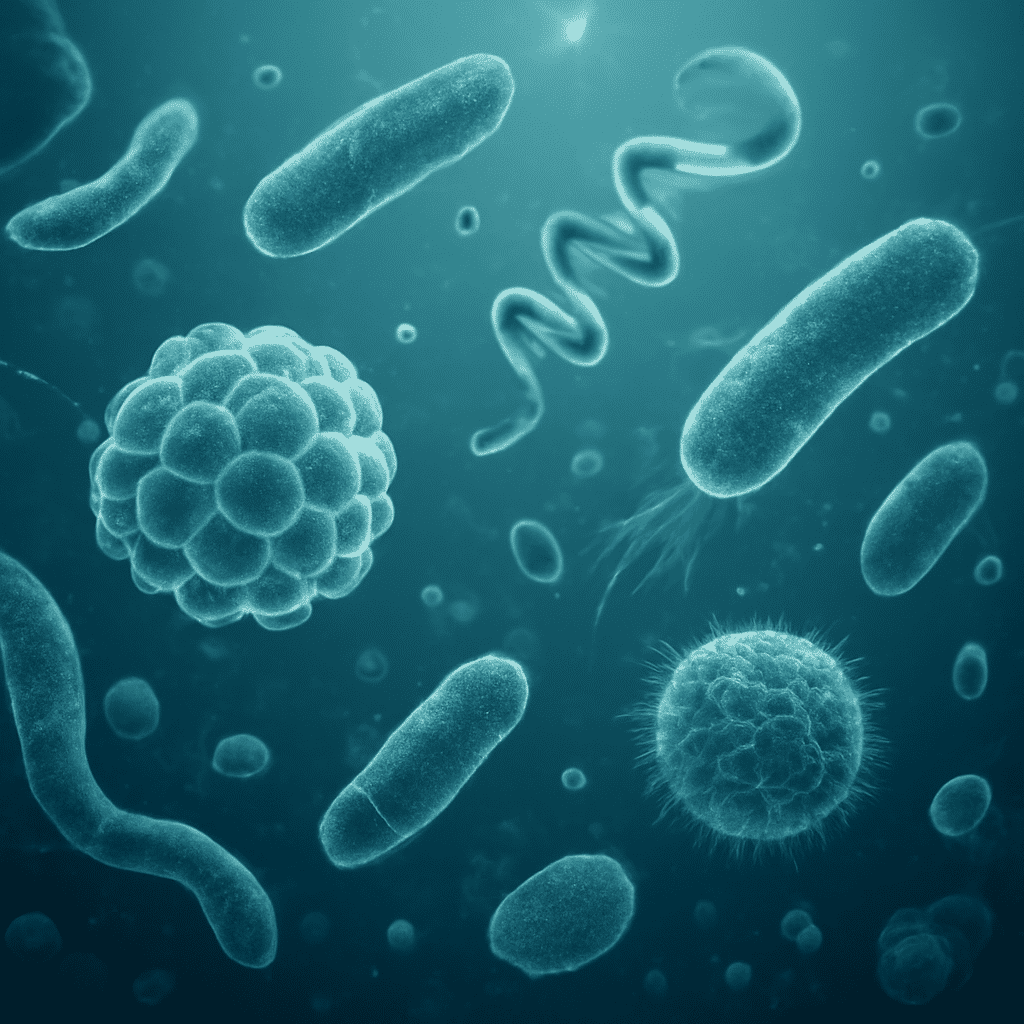
Microbes, the microscopic organisms that include bacteria, viruses, fungi, and protozoa, are often overlooked but play crucial roles in shaping our world. These tiny yet mighty entities are not only integral to environmental balance but also hold the keys to groundbreaking advancements in science and technology. From health and medicine to agriculture and biotechnology, the realm of microbes is a treasure trove waiting to be explored.
In the world of health and medicine, microbes exhibit a dualistic nature. As pathogens, they can trigger diseases, yet as probiotics, they are essential for maintaining gut health and boosting the immune system. Recent research has delved into the human microbiome, revealing a complex ecosystem within our bodies where trillions of microbes thrive. These communities influence everything from digestion to mood and have been linked to conditions such as obesity, diabetes, and even mental health disorders. By harnessing the power of beneficial microbes, scientists are developing innovative therapies, such as fecal microbiota transplants and probiotic treatments, to combat these conditions.
Microbes also hold the promise of revolutionizing agriculture. As the global population continues to burgeon, sustainable farming practices are more crucial than ever. Microbial fertilizers and bio-pesticides offer environmentally-friendly alternatives to conventional chemical products. These biotic solutions are not only less harmful to the planet but can also increase crop yields and resilience against diseases and pests. In addition, soil microbiomes are vital to nutrient cycling and soil fertility, crucial components for successful and sustainable agriculture.
In the field of biotechnology, microbes have become indispensable tools. Their ability to naturally produce enzymes, vitamins, and biofuels is being harnessed to create sustainable production methods for diverse industries. The employment of microbial organisms in the bioremediation of contaminated sites is another innovative application, as they can effectively break down pollutants and toxins in soil and water. Genetic engineering further expands the capabilities of microbes, allowing scientists to design organisms with specific functions, such as bioplastics production or carbon capture.
Moreover, microbes have played a crucial role in advancing our understanding of life itself. The study of extremophiles, a group of microbes that thrive in extreme environments, has revealed the astonishing adaptability of life. These organisms not only inform our search for extraterrestrial life but also inspire new biochemical processes and materials with potential industrial applications. The ability of these organisms to survive under high pressures, extreme temperatures, and high radiation levels challenges our understanding of biology and expands the possibilities of life beyond Earth.
Despite their minute size, microbes exert a monumental impact on the world, influencing ecosystems, human health, and technological progress. Their roles are diverse—acting as guardians of our health, protectors of our environment, and pioneers of future technologies. By continuing to unravel the mysteries of the microbial world, scientists are poised to unlock the potentials that will drive advancements for generations to come. As we continue to explore this unseen world, we uncover not only the hidden wonders of life but also the keys to sustainable and innovative solutions for the future.