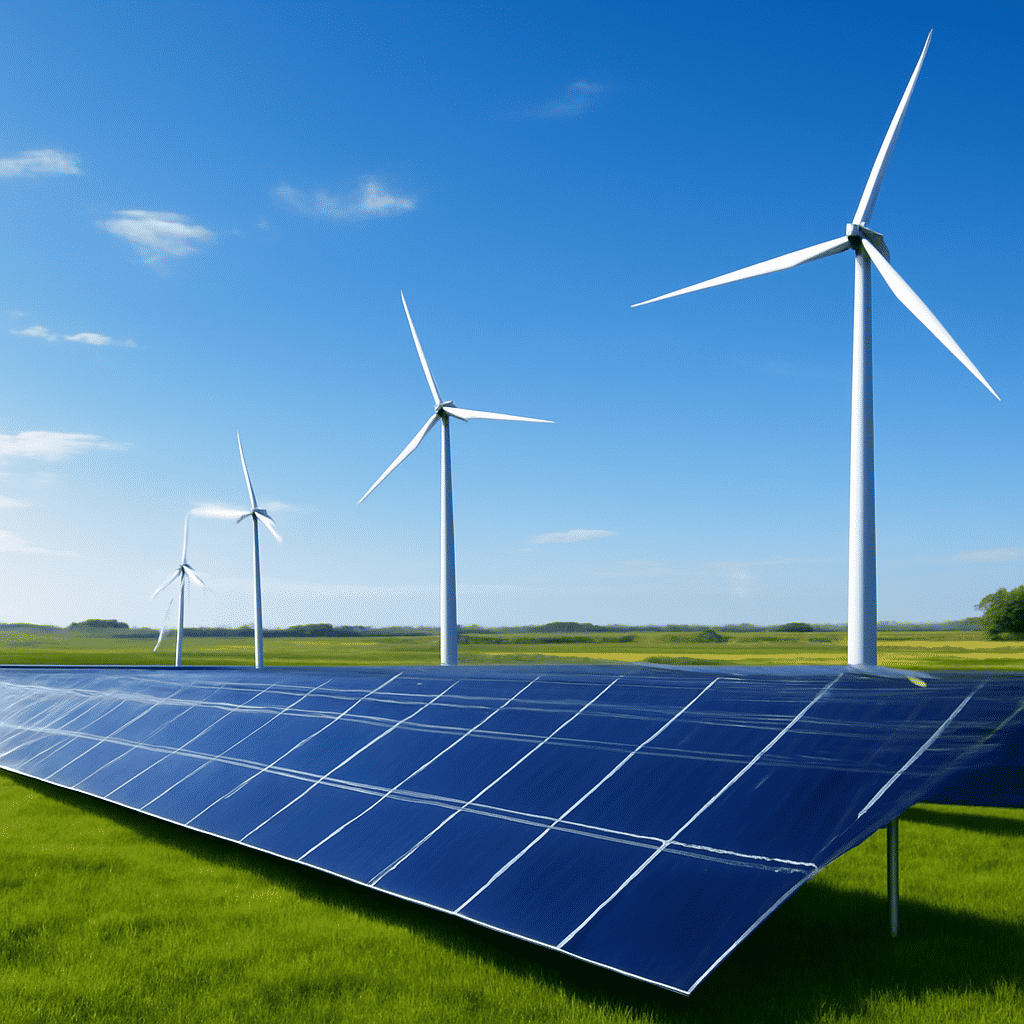
In recent years, renewable energy has emerged as a cornerstone in the quest for sustainable development. As concerns over climate change and environmental degradation intensify, the demand for cleaner, more reliable energy sources has never been more critical. Fortunately, a wave of innovation in renewable energy technologies is on the horizon, poised to revolutionize the way we produce, consume, and integrate energy into our daily lives.
At the heart of this transformation is the rapid advancement in solar energy technologies. Traditional photovoltaic (PV) panels have significantly decreased in cost over the past decade, making solar power one of the most economical energy sources in many parts of the world. The development of perovskite solar cells promises to push this trend even further. These cells, known for their ease of production and high efficiency, could potentially surpass silicon-based models, heralding a new era of accessible and affordable solar energy.
Moreover, floating solar farms, which utilize bodies of water to deploy solar panels, are gaining traction. These installations minimize land use and can reduce water evaporation from reservoirs, offering a dual benefit for regions facing both land scarcity and water shortages.
Wind energy is also experiencing its own set of exciting innovations. Offshore wind farms are expanding at a remarkable rate, leveraging stronger and more consistent wind patterns over the seas. Floating wind turbines are beginning to make offshore wind feasible in deeper waters, where traditional fixed structures are not viable. This technology opens up vast swathes of ocean to potential energy generation, vastly increasing the capacity for wind energy worldwide.
Innovative approaches such as airborne wind energy (AWE) hope to transform wind utilization even further. By using kites or drones to tap into higher altitude winds, which are stronger and more reliable than those at surface level, AWE technologies could unlock a new realm of energy generation that is both efficient and sustainable.
Enhancing the practicality of these renewable energy sources is another critical frontier: energy storage. Breakthroughs in battery technology are set to address the intermittency issues associated with renewables like wind and solar. Solid-state batteries, which promise safer and more efficient energy storage, and large-scale liquid-air energy storage systems are in development, aiming to provide energy when the sun isn’t shining and the winds are calm.
Hydrogen energy, long touted as a clean fuel of the future, is also seeing significant advancements. Electrolyzers, used to produce hydrogen fuel from water, are becoming more efficient and cost-effective. Coupled with increasing efforts to establish hydrogen infrastructure, these innovations could facilitate a transition to a hydrogen-based energy economy, particularly for industries that are challenging to decarbonize, such as shipping and aviation.
Furthermore, smart grids are becoming indispensable in managing the integration of diverse renewable energy sources. These advanced grid systems employ artificial intelligence and machine learning to optimize energy distribution and balance supply with demand in real-time, minimizing waste and maximizing efficiency.
While these innovations herald a more sustainable energy future, their implementation requires collaborative efforts across governments, industries, and consumers. Policymakers must create conducive environments for technological innovation and adoption, while industries must continue to innovate and invest in green technologies. Moreover, consumer awareness and involvement are crucial in driving demand for renewable energy solutions.
In essence, the future of renewable energy looks brighter than ever, promising a world where energy is cleaner, more efficient, and more universally accessible. As these technologies continue to evolve and mature, they have the potential to reshape our energy landscape profoundly and play a pivotal role in overcoming the environmental challenges of our time.