In an era where the consequences of climate change are becoming increasingly evident, the transition to renewable energy has emerged as a vital component of our global strategy to combat environmental challenges. Pioneering sustainable energy solutions not only mitigate the damaging effects of fossil fuels but also provide scalable opportunities to meet the burgeoning demands of our rapidly growing population.
Renewable energy sources such as solar, wind, hydroelectric, and geothermal harness natural phenomena that occur every day. By capturing energy from sunlight, wind patterns, flowing water, and the Earth's own heat, these technologies offer a sustainable and virtually inexhaustible supply of power. This transition is more than just a shift in energy supply; it represents a crucial step towards a cleaner, more sustainable future that addresses both environmental preservation and energy security.
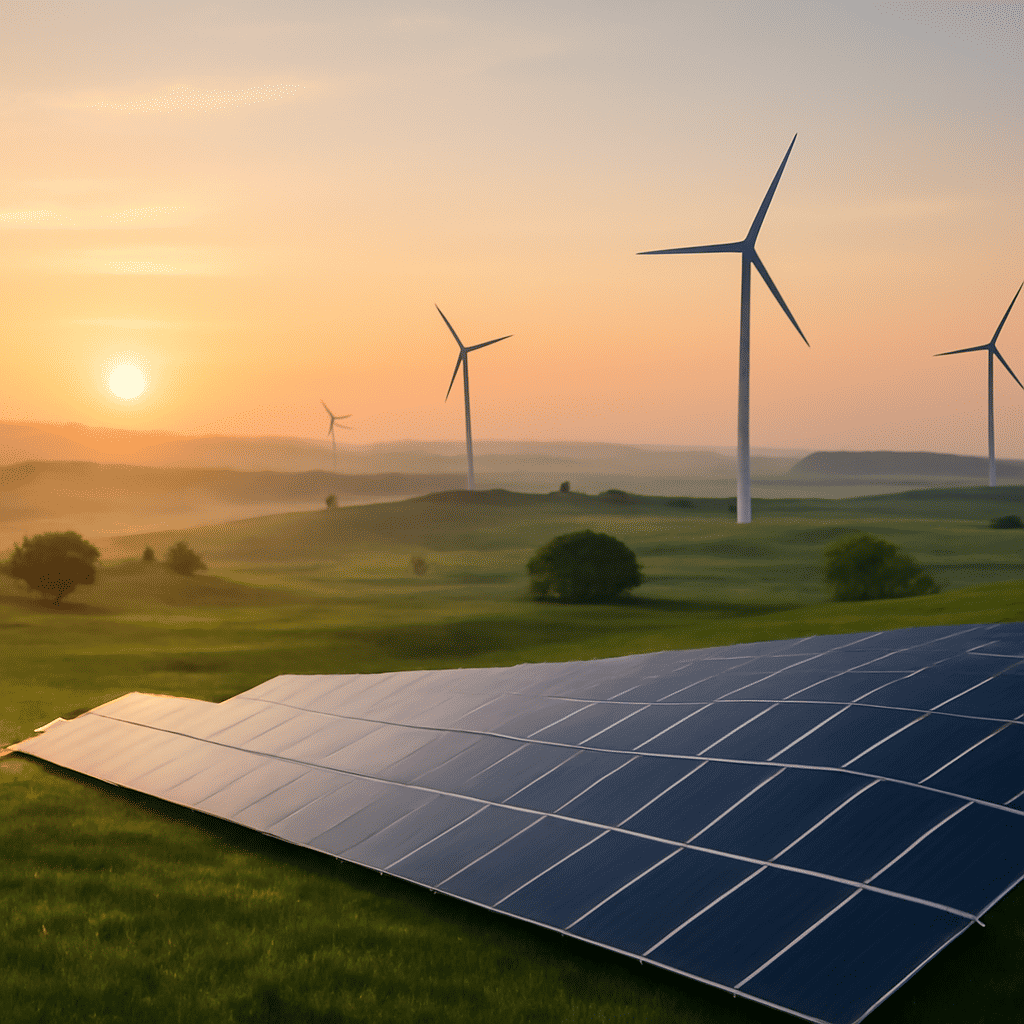
Solar energy, for instance, has seen remarkable advancements in recent years, boasting higher efficiency rates and rapidly declining costs. Photovoltaic cells, once considered a futuristic concept, are now a commonplace feature on rooftops around the globe. This growth is bolstered by innovations such as improved battery storage solutions, allowing solar power to be stored and used even when the sun isn't shining.
Similarly, wind energy is experiencing a renaissance. Advances in turbine technology have significantly increased power generation capabilities while reducing costs. Offshore wind farms are becoming increasingly prevalent, offering the potential to generate substantial amounts of clean electricity with minimal land usage. For countries with extensive coastlines, harnessing wind power offshore can be a game-changer in energy production.
Hydroelectric power remains a cornerstone of renewable energy, particularly in regions with abundant water resources. With modern engineering methods, the environmental impacts of traditional dam-based systems are being mitigated, and new technologies, such as run-of-the-river systems and ocean tidal turbines, are being developed to harness kinetic energy from flowing water bodies with minimal ecological disruption.
Geothermal energy, derived from the Earth's internal heat, offers another promising avenue. Countries like Iceland have demonstrated how geothermal energy can reliably supply a substantial portion of electricity needs, showcasing its viability as a base-load energy source. Technological improvements and deeper drilling techniques continue to expand the potential for geothermal resources worldwide.
The integration of these renewable energy sources within existing power grids also poses exciting challenges and opportunities. Smart grid technologies, powered by artificial intelligence and machine learning, are revolutionizing the way energy is distributed and consumed. They allow for real-time monitoring and adjustments, optimizing energy efficiency and integrating diverse energy sources seamlessly into the grid.
Transitioning to a global renewable energy system requires robust policy frameworks and significant investment. Governments, private sectors, and communities must collaborate to support research and development, provide economic incentives, and ensure equitable access to clean energy solutions. Public awareness and engagement are equally crucial, as informed citizens can drive demand for sustainable energy policies and practices.
The path to a renewable energy future is complex, yet the potential benefits are manifold. Beyond reducing greenhouse gas emissions, renewable energy solutions can enhance energy independence, stimulate economic growth through the creation of green jobs, and ensure a more resilient and flexible energy system. As we look towards the future, embracing innovation, investing in technologies, and fostering collaboration are key to unlocking the full potential of renewable energy, paving the way for a sustainable and prosperous future for all.